
Business Loan Collateral: Types, Eligibility Criteria, and Requirements
Learn what business collateral is, how it works, types of assets used, LTV ratios, risks, and how to secure better loan terms with the right collateral.

Securing financing for a business can be complex, and one of the most critical factors lenders evaluate is collateral. It acts as a safety net, giving lenders confidence that they can recover their funds if a borrower defaults.
According to the International Finance Corporation, nearly 40% of SMEs in emerging markets face a financing gap, largely due to a lack of sufficient collateral.
Collateral plays a direct role in determining loan eligibility, loan-to-value (LTV) ratios, borrowing capacity, and even interest rates. Businesses that offer strong collateral often gain access to higher loan amounts, faster approvals, and more favourable terms.
Understanding how collateral works and how lenders assess it can significantly improve your chances of securing the right financing.
Key Takeaways
- Collateral acts as lender security; if you default, the lender can legally seize and sell the asset through a lien to recover dues.
- Common collateral types include real estate, machinery, inventory, accounts receivable (invoice financing), financial investments, and blanket liens on multiple assets.
- Loan approval and amount depend on Loan-to-Value (LTV) ratios, typically ranging from 50%–80%, based on asset quality, liquidity, and depreciation risk.
- Secured loans offer lower interest rates and higher borrowing limits, while unsecured loans rely more on cash flow, credit profile, and business performance.
- Key risks include asset seizure, depreciation, market volatility (for financial assets), and reduced flexibility due to assets being tied up.
- If you want to avoid pledging assets, Recur Club, an AI-native debt platform and marketplace, offers collateral-free financing options based on business cash flows and revenue performance.
What is Business Collateral?
Business collateral refers to any asset a company pledges as security when applying for a loan. It provides assurance to the lender that if the borrower fails to repay, the lender can recover the outstanding amount by claiming the pledged asset.
Collateral is typically required for larger loan amounts or when the lender needs to reduce risk. In return, businesses that offer collateral often benefit from lower interest rates, higher borrowing limits, and more favourable repayment terms.
Collateral can take many forms, including tangible assets like real estate, machinery, and inventory, as well as financial assets such as cash reserves, accounts receivable, or invoices.
How Lien Works
When a lender accepts collateral, they place a lien on the asset. A lien is a legal right that gives the lender a claim over the asset until the loan is fully repaid.
Here’s how it works in practice:
- At the time of loan approval: A lien agreement is created and legally recorded, specifying the asset being pledged
- During the loan tenure: The borrower retains use of the asset, but cannot sell or transfer it without the lender’s consent
- In case of default: The lender has the legal authority to seize and liquidate the asset to recover dues
- After full repayment: The lien is released, and full ownership rights revert back to the borrower
Understanding the lien structure is critical because while collateral helps secure better loan terms, it also creates a legally enforceable obligation tied directly to your business assets.
A step-by-step breakdown: What Happens When You Use Collateral?
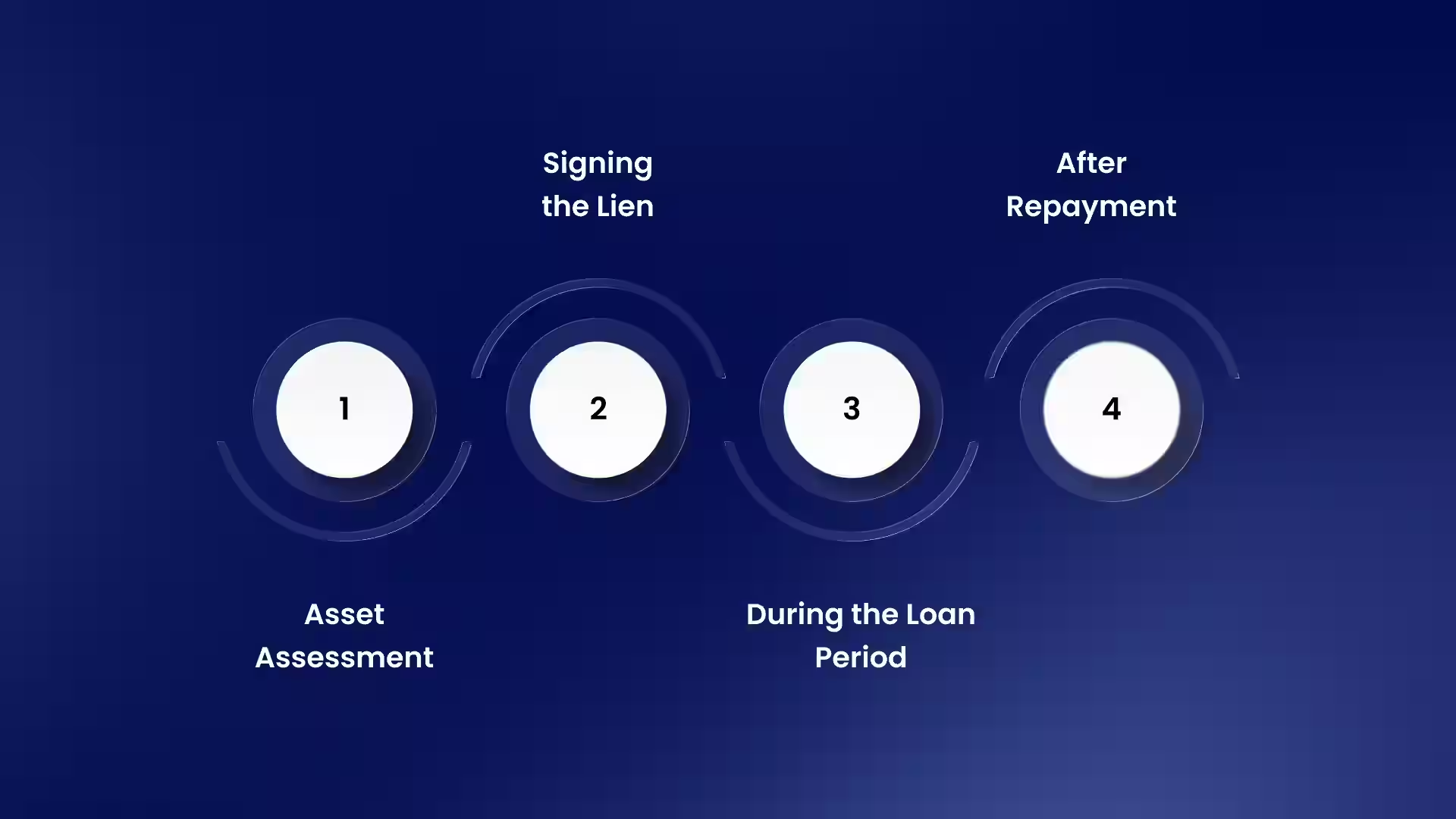
1. Asset Assessment
Before approving a loan, the lender evaluates the value and quality of the asset being offered as collateral. This includes:
- Market value: What the asset can realistically be sold for
- Depreciation risk: How quickly the asset may lose value over time
- Liquidity: How easily the asset can be converted into cash
Based on this assessment, the lender determines how much they are willing to lend using the Loan-to-Value (LTV) ratio.
Also read: Understanding and Calculating the Debt to Asset Ratio: Definition, Formula and Examples
2. Signing the Lien
Once the loan is approved, a lien agreement is created. This legally binds the collateral to the loan:
- The asset is formally pledged as security
- The lender’s claim is documented and, in many cases, registered
- The borrower agrees not to sell or transfer the asset without approval
This step ensures the lender has enforceable rights over the collateral if needed.
3. During the Loan Period
While the loan is active:
- The borrower continues to use the asset for business operations
- The lender maintains a legal claim over it
- In some cases, lenders may monitor the asset’s condition or value
Any misuse, disposal, or significant decline in asset value can trigger additional scrutiny or loan conditions.
4. After Repayment
Once the loan is fully repaid:
- The lien is removed or released by the lender
- Full ownership and control of the asset return to the borrower
- The business is free to sell, refinance, or reuse the asset as collateral
However, if the borrower defaults at any stage, the lender has the legal right to seize and liquidate the asset to recover the outstanding amount.
Common Types of Collateral for Securing a Business Loan
Lenders accept different types of collateral for business loans, depending on factors such as the industry, loan amount, and asset liquidity. Below are some of the most commonly used forms of collateral:
1. Real Estate
Real estate offers a high loan-to-value ratio, one of the most valuable and frequently used collateral types, including commercial buildings, land, and even personal property. Since real estate generally retains its value over time, it is a preferred choice for securing significant loan amounts at competitive interest rates.
2. Equipment and Machinery
Businesses can leverage heavy machinery, tools, or specialised equipment as collateral. Factors such as depreciation, current market value, and the equipment’s condition influence its loan eligibility. Additionally, equipment purchased with financing may sometimes be eligible to serve as collateral for the loan itself, helping secure further financing.
3. Inventory
The products or materials your business holds in stock can be used as collateral for a loan. This is particularly beneficial for retail businesses, where inventory often represents a significant asset.
4. Accounts Receivable (Invoice Financing)
Outstanding invoices or payments owed to a business can be used as collateral. This type of financing, known as invoice factoring or accounts receivable financing, enables businesses to access funds while waiting for customers to pay. If the borrower defaults, the lender can collect directly from the outstanding invoices.
5. Investments, Stocks & Bonds
Financial assets such as stocks, mutual funds, and bonds can also be used as collateral, particularly by established businesses. These assets are relatively liquid and easy to value, making them attractive to lenders. However, their value is subject to market fluctuations, which may impact borrowing limits or trigger margin calls if prices drop significantly.
6. Blanket Lien
A blanket lien is a broader form of collateral where the lender places a claim over all business assets, rather than a single asset. This can include inventory, receivables, equipment, and even future assets.
- It is commonly used in working capital loans or lines of credit
- Provides lenders with maximum security
- Limits the borrower’s ability to pledge assets elsewhere
While blanket liens can improve approval chances, they also restrict financial flexibility since multiple assets are tied to a single loan agreement.
Benefits of Using Collateral in Business Financing
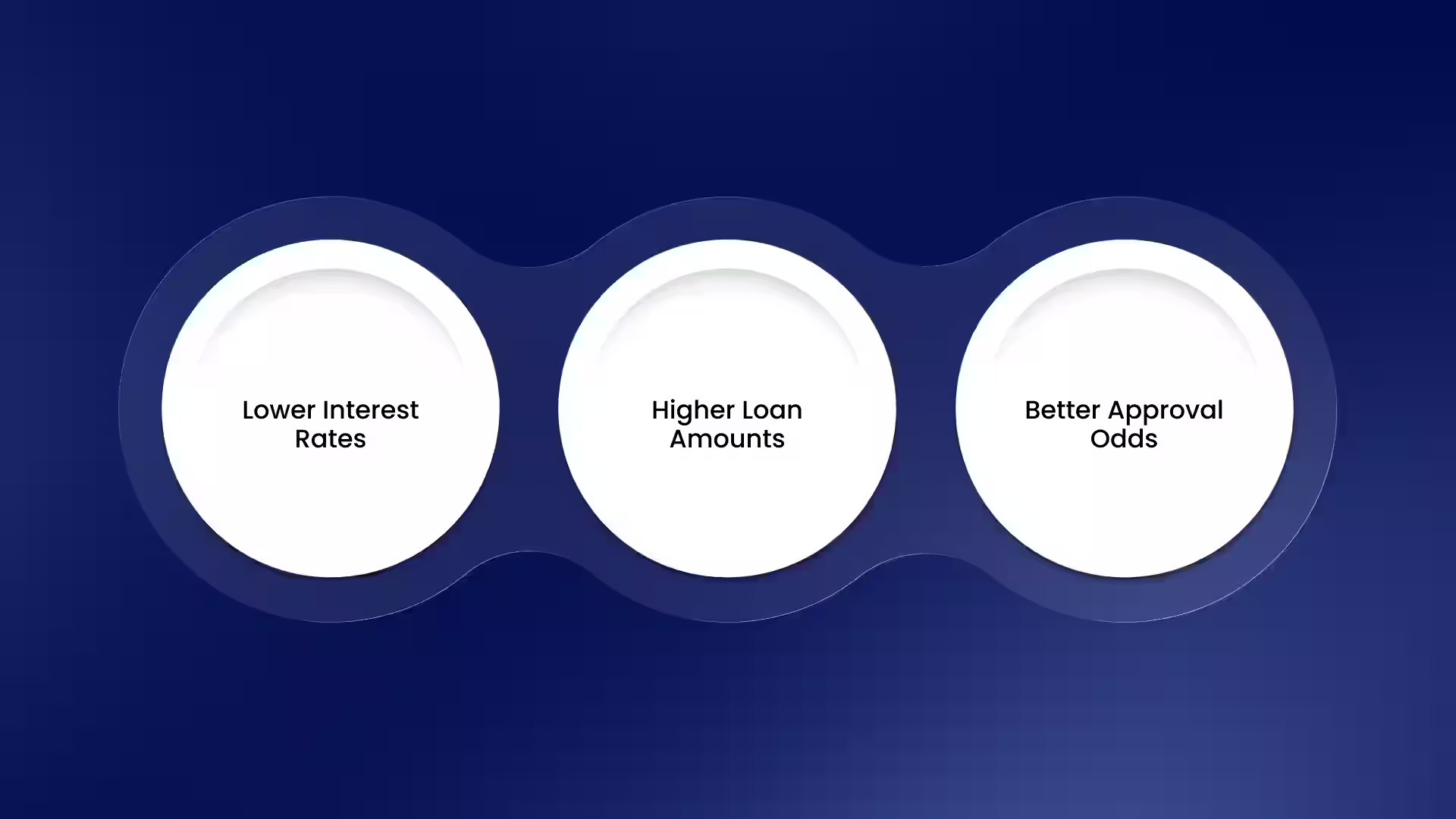
Using collateral in a business can significantly improve the quality of financing you receive. Here are the key advantages:
1. Lower Interest Rates
Collateral reduces the lender’s risk, which often translates into more competitive interest rates. Since the loan is backed by an asset, lenders are more willing to offer better pricing compared to unsecured loans.
2. Higher Loan Amounts
Pledging valuable assets increases your borrowing capacity. Lenders use the value of your collateral (through the Loan-to-Value ratio) to determine how much capital they can extend, allowing businesses to access larger funding amounts.
3. Better Approval Odds
Collateral improves your chances of loan approval, especially if your business has limited credit history or operates in a higher-risk segment. It provides lenders with a fallback option, making them more comfortable extending credit.
How Much Collateral Do Business Lenders Require?
Generally, lenders determine the amount of collateral needed using a Loan-to-Value (LTV) ratio, which compares the loan amount to the value of the collateral.
The LTV ratio is a crucial metric lenders assess. For business loans, LTV ratios typically range from 50% to 80%, although they can be higher or lower depending on the specific circumstances and the lender’s risk appetite.
Here’s a look at how LTV ratios generally compare across different business loan types:
- Term Loans: The LTV ratio typically ranges from 70%-80%, as it is secured by assets like real estate and equipment.
- Equipment Financing: The LTV ratio ranges from 50% to 75%, depending on the age and depreciation of the equipment.
- Accounts Receivable Financing: The LTV ratio typically ranges between 50%-70%, based on the creditworthiness of the customer.
- Inventory Financing: The LTV ratio for inventory financing ranges from 20%-50%, since inventory can lose value over time.
Looking for funding without risking your assets? Explore Recur Club’s collateral-free solutions and access fast, flexible capital designed for growing businesses.
Wellversed struggled to scale with limited traditional debt access. After raising ₹6.5 crore through Recur Club, it achieved 117% revenue growth and a 63% increase in EBITDA, without pledging additional collateral or diluting equity.

Risks & Considerations When Using Collateral
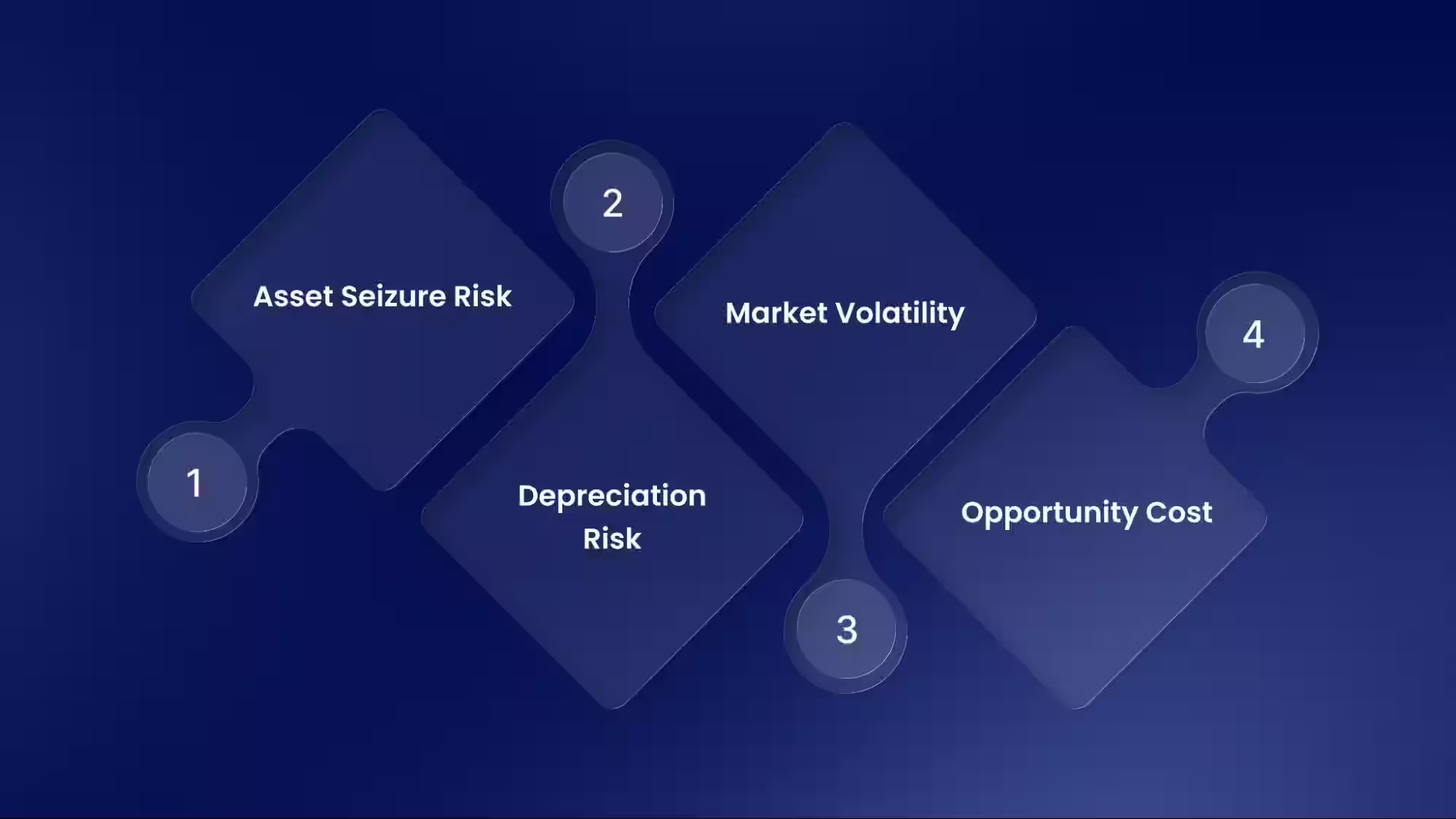
While collateral can improve access to financing, it also introduces important risks that businesses must carefully evaluate before pledging assets.
1. Asset Seizure Risk
The most significant risk is the potential loss of the pledged asset. If the business fails to meet repayment obligations, the lender has the legal right to seize and liquidate the collateral to recover dues. This can directly impact business operations, especially if critical assets like property or machinery are involved.
2. Depreciation Risk
Certain assets, particularly equipment, machinery, and inventory, lose value over time. If the collateral depreciates faster than expected, lenders may reassess risk, which could affect future borrowing capacity or refinancing options.
3. Market Volatility
Financial assets such as stocks and bonds are subject to market fluctuations. A decline in value can reduce the effective collateral coverage, and in some cases, lenders may require additional collateral or partial repayment to maintain the agreed risk levels.
4. Opportunity Cost
Pledging assets as collateral limits your ability to use them elsewhere. You may not be able to leverage the same asset for another loan or strategic opportunity, which can restrict financial flexibility as your business grows.
Eligibility Criteria & Documents Required for Secured Business Loans
Lenders evaluate both the financial strength of your business and the quality of the collateral before approving a secured loan. While eligibility varies across lenders, the following factors are commonly assessed:
Key Eligibility Criteria
- Revenue: Typically, businesses are expected to have strong and consistent revenue (e.g., ₹40 Crores+ for large-ticket secured loans)
- Credit Profile: A healthy credit score and repayment history improve approval chances and loan terms
- Business Vintage: Most lenders require at least 1–3 years of operational history
- Cash Flow & Runway: Stable cash flows and sufficient runway (usually 6+ months) indicate repayment capacity
- Collateral Quality: The type, value, liquidity, and condition of the asset being pledged play a critical role
Documents Required
To assess both the borrower and the collateral, lenders typically require a detailed set of documents:
Business & Financial Documents
- GST filings and returns
- 12–24 months of bank statements
- Audited financial statements (P&L, balance sheet)
- Management Information System (MIS) reports
- Income tax returns (ITR)
KYC & Legal Documents
- PAN and Aadhaar of promoters/directors
- Business registration documents (Certificate of Incorporation, partnership deed, etc.)
- Board resolution (for companies applying for loans)
Collateral-Related Documents
- Property ownership documents (title deed, sale deed)
- Valuation or appraisal reports (from certified valuers)
- Equipment invoices and depreciation schedules
- Insurance documents (if applicable)
Additional Supporting Documents (if applicable)
- Accounts receivable ageing reports (for invoice financing)
- Inventory statements
- Existing loan statements and sanction letters

Conclusion
Securing a business loan often requires collateral, but businesses now have options beyond traditional assets like real estate or equipment. By understanding business loan collateral, companies can explore financing solutions that better fit their needs.
Recur Club offers flexible financing solutions through a network of over 125 lenders, ensuring businesses like SaaS, D2C, and healthcare get the best terms available. Our capital experts will guide you through the process, helping you secure the funding you need.
Frequently Asked Questions (FAQs)
1. What is collateral in a business loan?
Collateral is any asset a business pledges to a lender as security for a loan. If the borrower fails to repay, the lender has the legal right to seize and sell the asset to recover the outstanding amount.
2. Is collateral mandatory for all business loans?
No, collateral is not required for all loans. Many lenders offer unsecured or cash flow-based financing options. However, secured loans typically offer lower interest rates and higher loan amounts.
3. What types of assets can be used as collateral?
Businesses can use a wide range of assets, including real estate, machinery, inventory, accounts receivable, and even financial assets like stocks or bonds. Some lenders may also place a blanket lien covering multiple assets.
4. What is a lien in a business loan?
A lien is a legal claim a lender places on an asset used as collateral. It gives the lender the right to take control of the asset if the borrower defaults, and it remains in place until the loan is fully repaid.
5. How much collateral is required for a business loan?
The amount depends on the Loan-to-Value (LTV) ratio set by the lender. Typically, lenders finance around 50% to 80% of the collateral’s value, depending on the asset type and risk profile.
6. Can I still use my asset after pledging it as collateral?
Yes, in most cases, businesses can continue using the asset (such as property or equipment) during the loan period. However, they cannot sell or transfer it without the lender’s consent.
7. What happens if I default on a secured business loan?
If you default, the lender has the legal right to seize and liquidate the pledged collateral to recover the loan amount. This may impact your business operations if critical assets are involved.
8. What is a blanket lien?
A blanket lien is when a lender places a claim over all business assets instead of a single asset. This provides greater security to the lender but limits the borrower’s ability to use those assets for other financing.
9. Do collateral-backed loans have lower interest rates?
Yes, secured loans generally come with lower interest rates because the lender’s risk is reduced by the presence of collateral.
10. Can startups get business loans without collateral?
Yes, many fintech lenders offer collateral-free loans based on business performance, revenue, or cash flow. These are especially common for startups and digital-first businesses.
Related Articles

Solving Cash Flow Gaps: The Role of Working Capital Loans for Indian Startups in 2026
Explore when a loan for working capital is useful, its key uses, and how businesses can manage expenses and growth without cash flow gaps.

Confidential Invoice Discounting: Meaning, How It Works, and When to Use It for SME Cash Flow
Understand confidential invoice discounting, how it works, costs, and when SMEs should use it for faster, non-dilutive working capital.

Capital Efficiency: Meaning, Formula, and How to Improve It for Smarter Business Growth
Learn what capital efficiency means, how to calculate it, and how founders can improve it to grow faster without wasting capital.
Talk to our experts and find the right financing solution.
Talk to Our Experts →